
Endangered Plant Conservation Initiative
Conserving Ornithogalum fuscescens
Integrated In-Situ and Ex-Situ Conservation of an Endangered Palestinian Plant Species Through Scientific Research, Agroecology, and Community Stewardship.
Project Overview
This project implements integrated in-situ and ex-situ conservation approaches to safeguard Ornithogalum fuscescens, one of Palestine’s endangered native plant species, within the landscapes of Misilyah, Jenin Governorate.
Through habitat restoration, micro-reserve establishment, scientific propagation, seed conservation, biodiversity-friendly agricultural practices, and community-based stewardship, the project aims to strengthen ecological resilience while promoting long-term conservation within Palestinian agroecosystems.
The initiative combines scientific research, ecological restoration, community engagement, and environmental education through collaboration between researchers, local farmers, national institutions, and conservation stakeholders.
PROJECT DETAILS
Key Project Information
📍
Location
Misilyah, Jenin Governorate, Palestine
⏱
Duration
18 Months
January 2026 – June 2027
💰
Budget
USD 36,904
CEPF Small Grants Program
🏛
Lead Institution
An-Najah National University
NARC and local stakeholders
🌱
Conservation Focus
Ornithogalum fuscescens
Endangered Native Plant Species
FUNDED BY
CEPF Small Grants through BirdLife International to support biodiversity conservation and ecological resilience in Palestine.
PROJECT LEADERSHIP
Project Coordinator
Prof. Raed Alkowni
Biodiversity & Ecosystem Research

ENDANGERED PLANT SPECIES
Species Profile
Conserving one of فلسطين’s threatened native plant species through integrated ecological and scientific approaches.
Ornithogalum fuscescens — locally known as “نجمة بيت لحم السمراء” — is an endangered native flowering plant that represents an important component of فلسطين’s natural and agricultural heritage. The species is closely associated with traditional Mediterranean agroecosystems and serves as an ecological indicator of healthy biodiversity-rich landscapes.
Over recent years, the species has experienced significant population decline due to deep plowing, habitat degradation, land-use change, and increasing ecological disturbance, placing urgent pressure on its long-term survival.
This project aims to protect and restore the species through integrated in-situ and ex-situ conservation strategies, combining habitat restoration, micro-reserve establishment, scientific propagation, seed conservation, and community-based stewardship within the landscapes of Misilyah, Palestine.
Why Protect This Species?
- Part of Palestinian natural heritage
- Supports biodiversity conservation
- Linked to traditional olive agroecosystems
- Indicator of ecological resilience
- Supports sustainable agricultural landscapes
🌱
Scientific Name
Ornithogalum fuscescens
🚨
Conservation Status
Endangered Native Species
🌍
Ecological Importance
Indicator of Healthy Traditional Agroecosystems
🌿
Main Threats
Habitat Loss & Agricultural Disturbance
🧬
Conservation Approaches
In-Situ & Ex-Situ Conservation
📍
Project Landscape
Misilyah, Jenin Governorate, Palestine
Agroecosystems
Field Education & Conservation
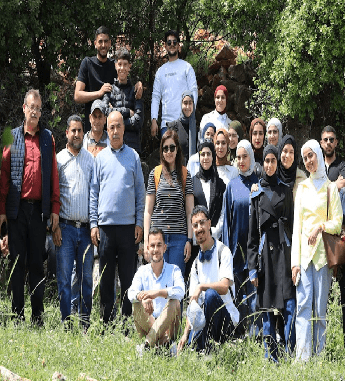
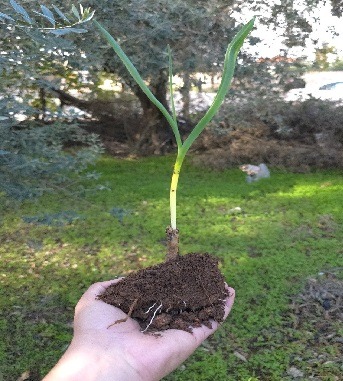
Empowering students, farmers, and local communities through hands-on biodiversity conservation and ecological learning experiences.
Community Field Visit
Habitat Monitoring
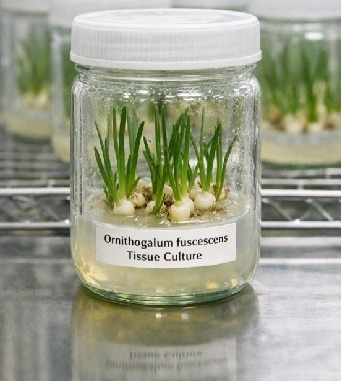
Ex-Situ Tissue Culture
ECOLOGICAL SIGNIFICANCE
Why This Project Matters
Palestine’s traditional agricultural landscapes host unique native plant species that are increasingly threatened by habitat degradation, intensive land use, ecological fragmentation, and climate-related pressures. Conserving Ornithogalum fuscescens is not only about protecting a single endangered species — it is about preserving ecological resilience, sustaining biodiversity-rich agroecosystems, and safeguarding an important part of Palestine’s natural heritage.
By integrating scientific conservation methods with community engagement, sustainable agriculture, and environmental education, this project creates a practical model for long-term biodiversity conservation within working landscapes.
🌿 Biodiversity Protection
Supporting endangered native flora and ecological resilience.
🌍 Sustainable Agroecosystems
Strengthening biodiversity-friendly agricultural landscapes.
👩🔬 Scientific Conservation
Integrating propagation science, monitoring, and seed conservation.
🤝 Community Stewardship
Empowering local communities and students in conservation action.
ENVIRONMENTAL PRESSURES
Conservation Approach
Integrating scientific conservation, ecological restoration, and community stewardship to protect endangered native flora.
🌿
In-Situ Conservation
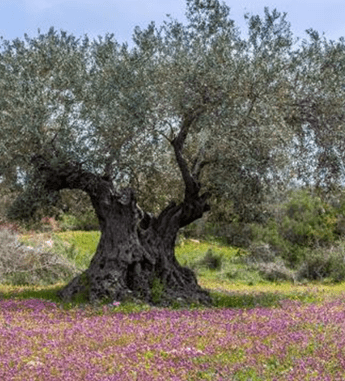
Protecting Ornithogalum fuscescens within its natural habitat through the establishment of biodiversity-friendly micro-reserves in organic olive groves and ecological restoration sites in Misilyah.
🧪
Ex-Situ Conservation
Supporting long-term species survival through seed conservation, greenhouse propagation, tissue culture techniques, and scientific reintroduction approaches.
🌍
Agroecological Restoration
Promoting sustainable agricultural practices that reduce ecological disturbance while strengthening biodiversity resilience within traditional Palestinian agroecosystems.
🤝
Community & Scientific Engagement
Empowering farmers, students, researchers, and local institutions through field training, participatory monitoring, environmental education, and collaborative conservation action.
Expected Results & Impact & Research Contribution
Project Objectives
🌿 Secure and conserve critical habitats supporting Ornithogalum fuscescens within traditional Mediterranean agroecosystems in Misilyah.
🌿 Restore native vegetation and strengthen ecological resilience through biodiversity-friendly restoration approaches.
🌿 Support the long-term survival of the species through seed conservation, scientific propagation, and ecological rehabilitation.
🌿 Promote sustainable agricultural practices that enhance biodiversity conservation within olive grove landscapes.
🌿 Strengthen community participation, environmental awareness, and local stewardship in endangered plant conservation.
🌿 Generate ecological monitoring data and scientific documentation to support future biodiversity conservation planning.
The project also contributes to biodiversity research through ecological monitoring, habitat assessment, seed conservation, and scientific documentation supporting future conservation planning and environmental policy development.
Conservation Actions
✔ Site Protection
Establish biodiversity-friendly micro-reserves and implement protective measures within conservation sites.
✔ Habitat Restoration
Restore and rehabilitate native vegetation through ecological restoration and enrichment planting activities.
✔ Seed Conservation & Propagation
Collect and preserve seeds while developing scientific propagation and tissue culture protocols.
✔ Biodiversity Monitoring
Conduct ecological monitoring and documentation of species populations, habitat conditions, and conservation outcomes.
✔ Community Engagement & Capacity Building
Deliver field training, awareness workshops, environmental education activities, and participatory conservation initiatives.
✔ Scientific Research & Knowledge Sharing
Support evidence-based conservation through applied research, scientific dissemination, and environmental documentation.
Project in Numbers
Measurable actions supporting endangered plant conservation, scientific research, and community engagement.
Organic Olive Farms
Botanical Garden
Propagated Plants
Training Workshops
Awareness Brochures
Illustrated Plant Postcards
Women Participation
Scientific Papers
FIELD IMPLEMENTATION
Field Activities
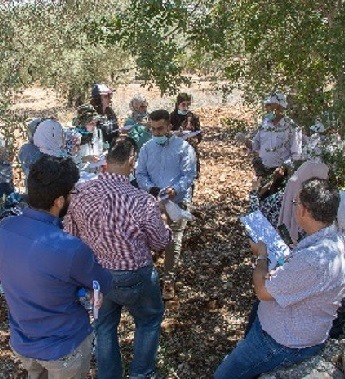
Documenting ecological restoration, biodiversity monitoring, scientific propagation, seed conservation, and community-based conservation activities across the landscapes of Misilyah.
Community Field Visit
Habitat Monitoring
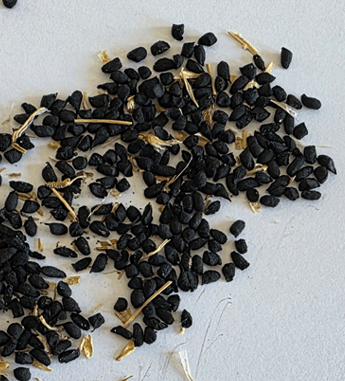
Seed collection
Tissue culture / lab work
Olive groves / habitat restoration
FIELD IMPLEMENTATION
Partners & Collaborators
Building long-term biodiversity conservation through collaboration between academic institutions, environmental organizations, governmental bodies, and local communities.



Conservation Timeline
Phase 1 Months 1–3
📍Baseline Survey & Scientific Assessment
Conduct field surveys, habitat mapping, species documentation, ecological assessments, and baseline biodiversity monitoring within the Misilyah conservation landscape.
Phase 2 Months 4–6
🛡️Site Protection & Community Preparation
Establish biodiversity-friendly micro-reserves, install protective fencing and signage, prepare awareness materials, and initiate community engagement activities and training workshops.
Phase 3 Months 7–9
🌱Ecological Restoration & Propagation
Implement habitat restoration activities, native vegetation enrichment, seed collection, greenhouse propagation, and tissue culture preparation for conservation support.
Phase 4 Months 10–12
📊Monitoring & Conservation Implementation
Conduct follow-up ecological monitoring, support conservation interventions, establish scientific documentation processes, and expand field-based educational activities.
Phase 5 Months 13–18
🤝Community Engagement & Knowledge Sharing
Deliver environmental awareness workshops, field training programs, biodiversity education activities, and participatory conservation initiatives with local communities and students.
Phase 6 Months 16–18
🌍Final Evaluation & Long-Term Conservation Planning
Complete final biodiversity monitoring, evaluate conservation outcomes, prepare scientific reports and documentation, and develop recommendations for long-term conservation replication and sustainability
BUILDING LONG-TERM ECOLOGICAL PARTNERSHIPS
Join Environmental Conservation Efforts
Be part of impactful biodiversity conservation, ecological restoration, and environmental research initiatives that support the protection of Palestine’s natural heritage and endangered native species.
We welcome researchers, environmental organizations, academic institutions, students, and conservation partners to collaborate on field-based projects that strengthen biodiversity resilience, sustainable environmental management, scientific knowledge generation, and community-based conservation action.
Together, we can advance evidence-based conservation approaches that create lasting ecological impact and support long-term environmental sustainability in Palestine.